.png)


Essential Guide to Planning for a Healthy Pregnancy

Planning for pregnancy is a significant step that involves more than just deciding to start a family. Preparing your body and mind can improve your chances of a healthy pregnancy and a healthy baby. This guide offers practical advice to help you get ready for this exciting journey, focusing on key areas that support your wellbeing before conception.

Understanding Your Fertility Cycle
Knowing your fertility cycle is one of the most effective ways to plan for pregnancy. Ovulation usually occurs about 14 days before your next period, and this is when you are most fertile. Tracking your cycle can help you identify your fertile window.
Use a calendar or fertility app to mark your cycle days.
Pay attention to physical signs like changes in cervical mucus and basal body temperature.
Consider ovulation predictor kits for more precise timing.
Understanding these signs helps you time intercourse to increase the likelihood of conception.
Optimising Your Health Before Pregnancy
Your health before pregnancy sets the foundation for your baby's development. Here are some important steps to take:
Visit your GP or obstetrician for a preconception check-up. Discuss any existing health conditions, medications, or family history.
Start taking folic acid supplements at least one month before trying to conceive. The recommended dose is 400 micrograms daily to reduce the risk of neural tube defects.
Maintain a balanced diet rich in fruits, vegetables, whole grains, and lean proteins. Avoid excessive caffeine and limit processed foods.
Achieve a healthy weight. Both underweight and overweight can affect fertility and pregnancy outcomes.
Stop smoking and limit alcohol intake. These substances can harm fertility and increase risks during pregnancy.
Managing Stress and Mental Wellbeing
Stress can affect your menstrual cycle and fertility. Preparing for pregnancy also means taking care of your mental health.
Practice relaxation techniques such as meditation, yoga, or deep breathing exercises.
Ensure you get enough sleep and regular physical activity.
Talk to a counsellor or support group if you feel overwhelmed or anxious about pregnancy.
Building a positive mindset can improve your overall health and readiness for pregnancy.
Environmental and Lifestyle Considerations
Certain environmental factors and lifestyle choices can impact fertility and pregnancy health.
Avoid exposure to harmful chemicals such as pesticides, heavy metals, and certain cleaning products.
Limit exposure to radiation and avoid hot tubs or saunas that raise body temperature excessively.
Wear comfortable clothing and avoid tight waistbands that may affect circulation.
Small changes in your environment can make a big difference in supporting a healthy pregnancy.
Preparing Your Partner
Pregnancy planning is a shared journey. Your partner’s health also plays a crucial role.
Encourage your partner to maintain a healthy diet and lifestyle.
Avoid smoking, excessive alcohol, and recreational drugs.
Consider a medical check-up to address any health issues that might affect fertility.
Supporting each other creates a strong foundation for your growing family.
When to Seek Medical Advice
If you have been trying to conceive for 12 months without success (or 6 months if you are over 35), it is advisable to consult a fertility specialist. Early intervention can identify any underlying issues and provide treatment options.
Also, if you have chronic health conditions such as diabetes, thyroid disorders, or autoimmune diseases, seek advice before trying to conceive to manage these conditions effectively.

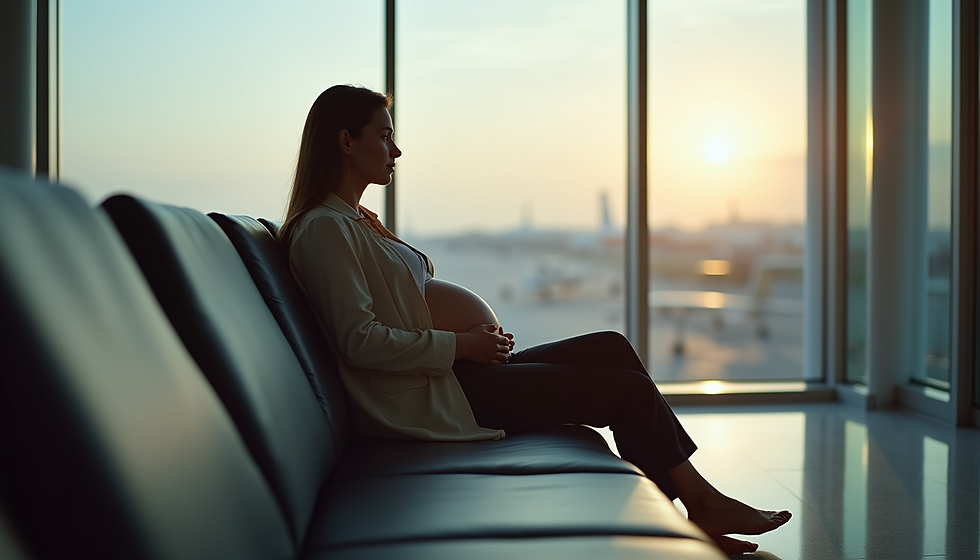
The article emphasizes the importance of preparation in the journey towards conception, highlighting both physical and mental health. However, it also prompts reflection on the stress that often accompanies planning for pregnancy, akin to the unpredictable nature of gambling like Thepokies. Balancing expectations and reality is crucial, as undue pressure can affect both partners' well-being. Understanding these dynamics can enhance the journey.
The preparation for pregnancy is indeed multifaceted, involving physical, mental, and environmental considerations. It’s interesting how understanding your fertility cycle can significantly impact your chances of conception. Moreover, adopting a healthier lifestyle supports not only the prospective mother but also the father. The mention of King Billy Australia highlights how environmental factors, including exposure to certain elements, can influence reproductive health.
The article highlights the multifaceted approach to planning for pregnancy, emphasizing physical and mental health. One key aspect to consider is how lifestyle choices intertwine with fertility, illustrating the potential impact of environmental factors and personal habits. Integrating these elements into your routine could be as important as understanding your cycle and timing. The mention of Royal Reels is intriguing, as it reflects how external influences can shape our health journey.
The research indicates that the analysis avoids unsubstantiated conclusions. The argument remains disciplined and evidence-oriented. The website serves as a useful reference for further exploration. Interaction depth is measured against interactive media benchmarks.